
Anyone following nutrition news over the past few years knows that fat no longer is the bad guy that it was in the 80s and 90s. Apart from the fact that eating a low fat diet made Americans fatter, not slimmer, it turns out that various types of fat don’t harm the body the way once thought. In fact, certain fats in dairy and meat may have health benefits, as does substituting polyunsaturated or monounsaturated fats for saturated fat and also getting rid of “industrial trans fats.”
Industrial trans fats are not found in nature. They’re created by manufacturers when turning liquid oils into solid fats that are used for frying, making flaky pie crusts and baked goods, and creating sticks of margarine. As an avid home baker, I use a fair amount of stick margarine. I like using half margarine and half butter in cookies because the margarine helps them hold their shape. I also use unsalted stick margarine that’s dairy-free when I’m baking “pareve” (non-dairy) desserts. Margarine makers such as Unilever are removing the trans fat from their products, which is good thing for health but potentially challenging for those of us who need a workable alternative. I recently met a soybean farmer at a conference and she sent me some samples of Plenish, a high oleic soybean oil developed for frying. I’m looking forward to testing the oil in my next batch of cookies to see how it performs for other uses.
 Last week, I tried baking with olive oil, something I’ve never done because of the oil’s distinct flavor. I used one of my several olive oil samples from a dinner hosted by Grandes Pagos de Olivar, a trade association representing Spanish olive oil producers who uphold high and exacting standards for producing their oils. Attending the dinner was Nicholas Coleman, an olive oil specialist, co-founder of Grove and Vine, and oleologist for New York City’s Eataly. Wow! What a job! Nick invited me and Eric to be his guests at an Italian olive oil tasting the following week at Mario Batali’s Tarry Market in Port Chester, NY.

I found Nick’s career to be so fascinating that I asked him a few questions:
What are some of your fondest food memories from your childhood?
I vividly recall the simple joy of slurping down an overly processed linguine with clam sauce — one that I would warm and consume directly out of its own shipping container! Although I’m not proud of this admission, a proper linguine with clam sauce from scratch will immediately transport me to those same aromas and nuances that I so loved as a child.
What are your favorite foods today and why?
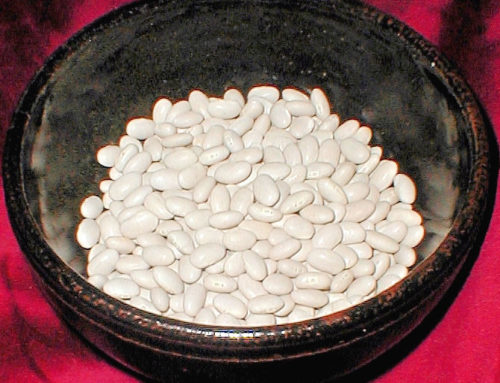
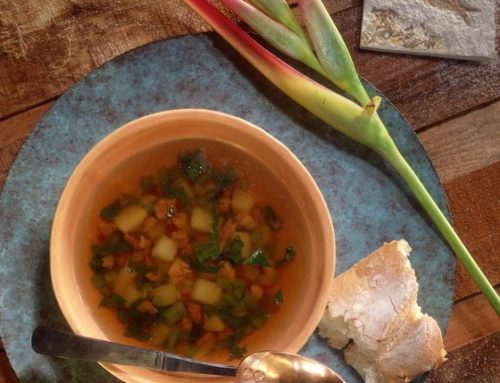
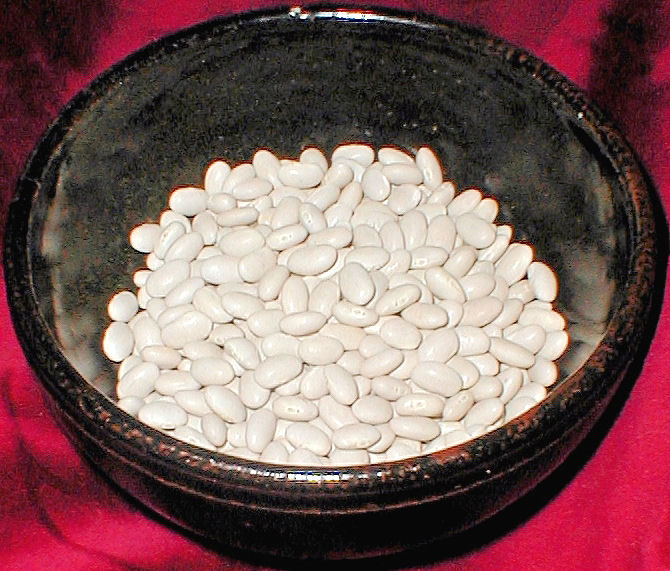
When it comes to food these days, I’m ingredient driven. In this sense, minimally altering a perfect piece of mozzarella or fresh slice of summer tomato accompanied with quality sea salt and fresh extra virgin olive oil is the pinnacle of perfection. As far as dishes go, I’d have to say my favorite dish would be the Tuscan peasant soup Ribollita, best prepared in autumn and is centered around white cannellini beans, black cabbage, Tuscan bread and the freshest, grassiest and most vibrant Tuscan olive oil one can procure.
Is the sense of taste inborn or cultivated?
It’s a little of both. Certain aspects are inborn and others are cultivated through experience. To become a sensory expert, you must taste, taste, taste, taste, taste, taste, taste, and most importantly, remember. This allows you to taste something and immediately compartmentalize it in terms of intensity and quality based on what you’ve previously sampled throughout your life.
How do you keep your taste buds healthy and in shape?
There is an old phrase — the nose knows. The more smells I can detect and correctly identify, the more honed in my taste buds become. Before any serious event, whether sitting as a sensory judge or blending oil from master tanks, I’ll avoid coffee, dairy, alcohol and meat for two weeks. This effectively neutralizes my senses and has proven invaluable throughout my professional career.
What do you look, smell and taste for when selecting and blending olive oils for your club?
When asked what the most important aspect to producing oil is, my response is “the most important thing is everything.” For Grove and Vine, I only seek out the most meticulous producers who are passionate about every step of the process. Olive oil production can be broken down into sub-components…each component is inextricably linked to the next. All of them must be treated with the utmost care and respect in order to produce a very exacting product. All of the producers we work with focus their lives around growing the healthiest olives in their respective region of the world.
As a thank you, I baked Nick a batch of almond biscotti using olive oil from Marques de Griñón. It seemed like a natural synergy to use olive oil (albeit Spanish) in an Italian cookie. I hope he likes them!

Nick’s Almond Olive Oil Biscotti
Makes about 30
1 3/4 cups all purpose flour
2 teaspoons baking powder
3/4 cup sugar
3/4 cup slivered almonds
2 large eggs
1/3 cup mild-flavored olive oil
2 teaspoons vanilla extract
1 teaspoon almond extract
1/2 cup golden raisins (optional)
- Preheat the oven to 350°F. Line a baking sheet with a silicone mat or parchment, or spray with cooking spray.
- Stir together the flour, baking powder, sugar, and almonds in a large bowl.
- Whisk together the eggs, oil, and extracts in a small bowl. Add to the flour mixture, along with the raisins if using. Stir until the mixture forms a sticky dough and the dry ingredient mixture is fully incorporated.
- Place the dough on a lightly floured surface and cut in half. Form each half into a log about 2 inches wide and place on the baking sheet, leaving at least 2 inches in between.
- Bake for 20–25 minutes, until the logs are very lightly browned and feel firm to the touch. Remove from the oven and cool for 20 minutes. Reduce the oven heat to 250°F.
- Slice each log crosswise into 1/2‑inch thick slices and place on the baking sheet, standing up if possible (laying flat is okay also). Bake for 30 minutes until lightly browned and dry. Turn off the oven, leaving the biscotti in the oven to cool
- Store in an airtight container.
Disclaimer: I attended a partially sponsored conference in London where Unilever gave a update on vegetable oils. Samples of Plenish and Spanish olive oils were provided to me without obligation from their producers. All views expressed are my own.