No, this post is not about romance or about secrets of a lasting marriage! But with Valentine’s Day and Heart Health Month just around the corner, it’s the perfect time to think about hearts in general and my heart in particular. Nearly every late relative on my dad’s side of the family had heart disease and I’ve been taking medication for mild high blood pressure for years. So it looks like I am proudly sitting on that branch of the Hermann family tree. My doctor says to keep doing what I’m doing, which is staying slim, exercising, eating healthfully, and not smoking. But at a recent sponsored conference in Vienna, I learned about other things to consider. This blog post was inspired by information gathered at the sponsored conference but the content was developed independently by me.
First, I need to stop being a wimp about omega-3s, a type of fatty acid shown to boost heart health, as well as aid in brain and eye development and health. They’re found mostly in fatty fish, walnuts, eggs from chickens that eat omega-3-supplemented feed, and certain fortified foods. Omega-3s also are available in supplements. I never really worried about omega-3s but I recently took a blood test that showed my blood omega-3s in the intermediate range; my blood work report recommends supplements so I guess I’d better get those started. Brand suggestions are welcome, as I’m nervous about how well I will tolerate them — some people complain about fish burps!
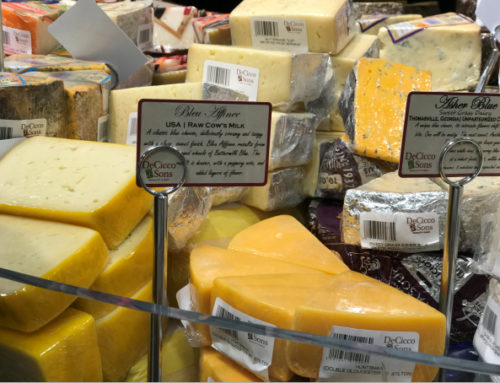
At the same sponsored conference in Vienna, I heard good news about one of my favorite foods, cheese. Various studies suggest that it might not be bad for heart health, even though it is high in saturated fat. A 2015 review credits the fermentation process used to make cheese and also yogurt – but additional research is needed. The calcium in cheese also may play a role. The same blood test that assessed my omega-3s said that my blood has a lot of saturated fat. Guess that’s the cheese talking.
Here’s another thing that I’m doing right, eating beans. Noted researcher John Sievenpiper, from the University of Toronto, pointed out all the benefits of legumes in the diet, including steadying blood glucose, lowering LDL cholesterol, managing blood pressure, and aiding weight loss, possibly by making people feel full. He is conducting a study on the effects of adding beans to the Portfolio Diet; I wish I could take part but Toronto is too far a commute! Draining and rinsing canned or cooked beans helps remove compounds that can make beans “noisy”; it also lowers the sodium.
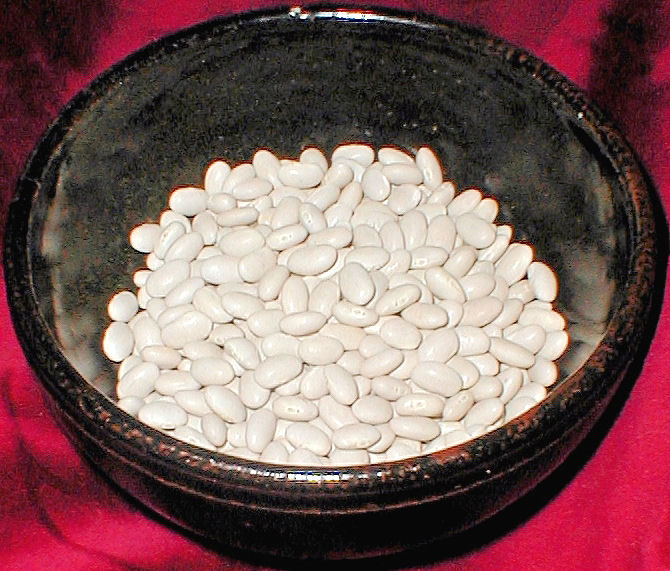
My newest business venture, Your Kitchen’s Wardrobe, helps my clients makeover their pantries and fridges in a way that makes healthful meals the easy and fashionable choice. One of my favorite items of kitchen clothing is canned beans. I use them in soups, stews, salads, and sides, and also to make a quick creamy dip that resembles hummus. My dip recipe is really versatile – any bean, any oil, any seasoning. Here, I use small white beans, walnut oil for omega-3s, garlic, white wine vinegar, and Penzeys herbes de Provence. This dip is named for my friend and colleague Chris, who helped weave together the conference’s positive food messages about heart health.

Chris’ Bean Dip a la Provence
Makes 4 servings
1 14–16 oz can small white beans, drained and rinsed
2 garlic cloves, preferably in their husk
2 tablespoons walnut oil
1 tablespoon white wine vinegar
1/2 teaspoon herbes de Provence
- Place the beans in the bowl of a food processor.
- Microwave the garlic cloves for 15–20 seconds or until soft. Remove from the microwave, peel, and place in the food processor bowl.
- Add the oil, vinegar, and herbes de Provence. Process until smooth, about 30 seconds. You may need to add a tablespoon or two of water to thin the consistency.
- Garnish with walnut pieces, plus a drizzle of oil and sprinkle of herbes if desired. Serve with crudité and pita, flatbread, or crackers. A cheese plate makes a tasty complement.